
What Is an AC Condensate Drain Line, and Why It Clogs Every Texas Summer
The Most Reliable Local Plumbers in Tyler, TX
October Offer
Slow drain? Stubborn clog? Water refusing to go where it’s supposed to?
It sounds like a job for The Drain League from THE Mink! Call THE Mink Hotline today to schedule and claim your $79 Drain Clearing!
*Restrictions Apply. See our Promotions Page for details
October Offer
Slow drain? Stubborn clog? Water refusing to go where it’s supposed to?
It sounds like a job for The Drain League from THE Mink! Call THE Mink Hotline today to schedule and claim your $79 Drain Clearing!
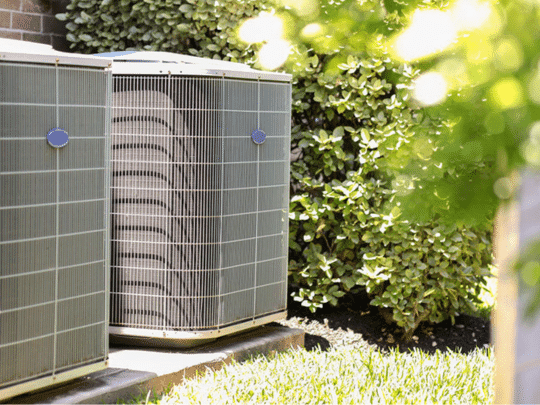
If you’ve ever found a mysterious puddle near your indoor AC unit, or worse, a water stain spreading across your ceiling, you’ve met your condensate drain line.
It’s one of the most overlooked parts of your home’s plumbing, and every summer, it’s also one of the most common reasons homeowners end up calling the Tyler, TX plumbers at THE Mink Plumbing.
Most people don’t realize this is a plumbing issue. It feels like an AC problem. But the pipe that’s clogged or backed up is plumbing, and knowing how it works can save you a soggy ceiling and a much bigger repair bill.
What This Little Pipe Does All Summer Long
Your air conditioner doesn’t just cool the air in your home, it also pulls moisture out of it. As humid air passes over the system’s evaporator coil, water condenses on the coil’s surface, the same way a cold glass of tea sweats on a hot day. That water has to go somewhere, and that’s where the condensate drain line comes in.
The line is usually a thin PVC pipe that carries collected water away from your indoor unit, either to a floor drain, a drain pan with a secondary line, or out to the exterior of your home. On a hot, humid day, a single central AC system can produce several gallons of condensate. Multiply that across a full Texas summer, and you’re talking about a lot of water passing through a pipe most people forget exists.
Why Summer Clogs This Line Up
That constant flow of water, combined with the dark, damp environment inside the pipe, is exactly the setup algae and mold need to build up along the interior walls. Add in the dust and debris pulled in from the air handler, and you’ve got a recipe for a clog.
Texas AC systems run almost nonstop from June through September, which means condensate lines are under heavy use during the exact months when that buildup accumulates fastest. A line that seemed fine in spring can slow to a trickle by July, and once it clogs, that water has nowhere to go but back up.
Where the Water Goes Once It Backs Up
When a condensate line clogs, water typically pools inside the drain pan under your indoor unit first. If your system doesn’t have a working float switch to shut things down automatically, that overflow keeps going. Depending on where your unit sits, it can end up:
- Dripping through your ceiling, especially if your unit is in the attic
- Pooling around a closet-mounted air handler
- Soaking into drywall or flooring near the unit
- Traveling along framing and insulation, out of sight, until the damage is already done
That last one is why this catches people off guard. The clog itself is invisible, and by the time you notice a stain or a damp spot, water’s likely been finding somewhere to go for a while.
Signs the Line Is Clogged or Close to It
You don’t need to wait for a ceiling stain to catch this. A few early signs worth checking for:
- Water pooling near your indoor AC unit or in the drain pan
- A musty smell coming from your vents
- Your AC shutting off unexpectedly (many systems do this on purpose once the float switch senses standing water)
- Visible algae or slime near the drain line’s exterior outlet
Catch any of these early and you’re usually looking at a straightforward line clear rather than a repair.
Why a Plumber (Not Just an HVAC Tech)
An HVAC tech can clear a condensate line in some cases, but when the clog runs deeper into the line, or the line ties into your home’s household drain system, the fix crosses into plumbing territory. That’s especially true if the line’s been backed up long enough that debris has settled further down than a shop vac at the unit can reach.
At THE Mink Plumbing, we clear condensate lines using the same tools and technique we use on any clogged drain: locating the blockage, clearing it fully, and confirming water flows all the way to its exit point. If the clog turns out to be tied to a larger drainage issue in your home, we can diagnose and handle that in the same visit. Take a look at our drain cleaning services if you’re already noticing slow drainage elsewhere in the house.
If You’re Already Seeing Water…
If you’ve spotted water where it shouldn’t be, turn off your AC at the thermostat first. Running the system with a clogged line just sends more water into the same backed-up spot. From there, have someone take a look before you turn the system back on, since another cycle can turn a small puddle into real water damage.
If water’s already made its way through a ceiling or into a wall, that’s not something to sit on. Our emergency plumbing team can get to your home quickly and stop the damage from spreading.
Small Pipe Leads To a Big Mess If You Ignore It
A clogged condensate line is one of the easiest plumbing problems to prevent and one of the easiest to put off, right up until it isn’t. A quick inspection during the hottest stretch of summer can catch a slow-forming clog before it turns into a ceiling repair.
If you’re seeing any of the warning signs above, or you just want peace of mind before the next heat wave hits, contact THE Mink Plumbing and let us take a look. We know exactly where these lines clog and how to clear them for good. Call THE Mink Hotline today.
Serving the Tyler, TX Area
 All Service Areas