
Signs Your Water Heater Needs Service Before Summer
The Most Reliable Local Plumbers in Tyler, TX
Celebrate 250 Years of America!
Save $250 on a New Water Heater Installation!
Don’t let your old water heater be the villain of your home. Our plumbing superheroes are ready to save the day with reliable service and hometown care.
Celebrate 250 Years of America!
Save $250 on a New Water Heater Installation!
Don’t let your old water heater be the villain of your home. Our plumbing superheroes are ready to save the day with reliable service and hometown care.
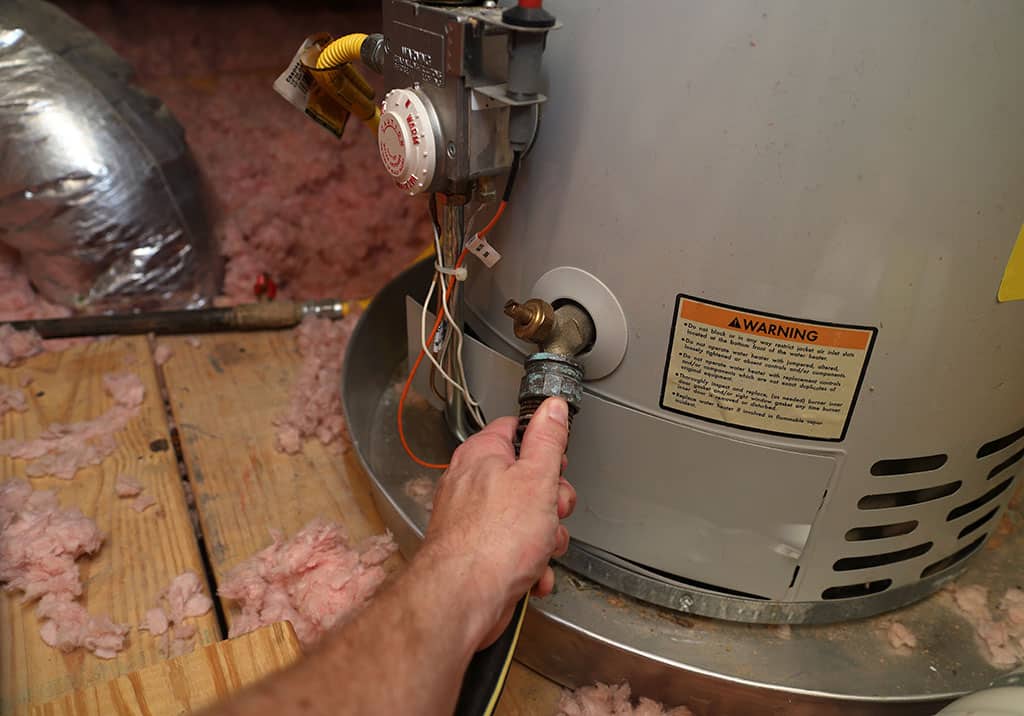
Most water heaters in Tyler, TX don’t fail overnight. They give you warnings first: subtle ones that are easy to brush off until you’re standing in a cold shower in July.
The Mink Plumbing sees this pattern every spring in Tyler and throughout East Texas: a water heater that’s been quietly struggling all winter finally gives out right when you need it most.
Before summer arrives and hot water demand picks back up, here’s what to watch for.
Inconsistent Hot Water
This is usually the first sign something’s off. You get hot water for a few minutes, then it fades to lukewarm before you’re done. Or it takes noticeably longer than it used to for hot water to reach the tap.
Inconsistency like this typically points to one of a few things:
- A failing heating element (common in electric water heaters)
- A malfunctioning thermostat
- Sediment buildup that’s reducing the tank’s effective capacity
Any of these is worth getting looked at before summer, when household hot water usage tends to climb.
Sediment Buildup
Tyler’s water has moderate mineral content, and over time those minerals settle at the bottom of your tank. It’s a normal part of how water heaters age, but left unchecked it causes real problems.
Sediment acts as insulation between the burner and the water, forcing your unit to work harder and longer to heat the same amount of water. That drives up your energy bills and puts extra wear on the tank itself.
The fix is straightforward: a professional flush as part of routine water heater maintenance clears the buildup and helps restore efficiency. If it’s been a few years since your last service, spring is a good time to schedule it.
Strange Noises From the Tank
Popping, rumbling, or banging sounds from your water heater aren’t just annoying — they’re telling you something. That noise is usually sediment being disturbed as the burner heats water trapped beneath it. The more buildup, the louder it gets.
If you’re hearing these sounds regularly, it’s a sign the sediment layer has gotten significant. A flush may resolve it, but in older units, persistent noise sometimes indicates the tank lining is starting to deteriorate. Worth having a plumber take a look rather than waiting to find out the hard way.
Rusty or Discolored Water
If the hot water coming out of your taps looks brownish or has a metallic smell, that’s a red flag. It usually means one of two things: the anode rod inside your tank has worn out and can no longer prevent corrosion, or the tank itself has started to rust from the inside.
A worn anode rod is an easy fix during a maintenance visit. Internal tank corrosion is a different story. Once the tank is rusting from the inside, water heater replacement is typically the right call. Patching a corroded tank isn’t a reliable long-term solution.
It’s also worth noting: if you’re seeing discoloration in both hot and cold water, the issue may be with your pipes or water supply rather than the heater itself. A plumber can help you sort out which it is.
Rising Energy Bills
If your utility bills have been creeping up but your usage habits haven’t changed, your water heater could be the culprit. An inefficient unit working overtime to compensate for sediment buildup or a failing component draws more energy than it should.
Water heaters are typically one of the larger energy consumers in a home. When they start to decline, the impact on your bill is real. If you’ve noticed a gradual climb over the past few months, it’s worth having the unit inspected before assuming the problem is elsewhere.
Repair or Replace: How to Decide
This is the question most homeowners have once they’ve noticed a problem, and the honest answer depends on a few factors.
Repair usually makes sense when:
- The unit is under 8 to 10 years old
- The issue is isolated, like a bad element, a worn anode rod, or a faulty thermostat
- There’s no sign of tank corrosion or structural wear
Replacement makes more sense when:
- The unit is 10 to 15 years old or older
- You’re facing repeated repairs within a short timeframe
- The tank is corroded, leaking, or showing signs of failure
If you’re already looking at a replacement, it’s worth considering a tankless water heater. Tankless units heat water on demand rather than maintaining a full tank, which tends to be more energy-efficient long term and eliminates the sediment problem almost entirely.
A water heater repair visit can help you figure out where your unit stands and what actually makes financial sense for your situation.
Schedule Service Before Summer
Water heater problems rarely get better on their own, and a full failure in the middle of a Texas summer is an unpleasant situation to deal with on short notice. Catching the warning signs now gives you time to make a thoughtful decision rather than an urgent one.
If your water heater has been showing any of these signs, The Mink Plumbing is happy to take a look. Reach out to schedule a service appointment and we’ll help you figure out exactly where things stand before summer hits.
Serving the Tyler, TX Area
 All Service Areas