
Hard Water in Tyler, TX: Signs You Need a Water Softener
The Most Reliable Local Plumbers in Tyler, TX
Celebrate 250 Years of America!
Save $250 on a New Water Heater Installation!
Don’t let your old water heater be the villain of your home. Our plumbing superheroes are ready to save the day with reliable service and hometown care.
Celebrate 250 Years of America!
Save $250 on a New Water Heater Installation!
Don’t let your old water heater be the villain of your home. Our plumbing superheroes are ready to save the day with reliable service and hometown care.
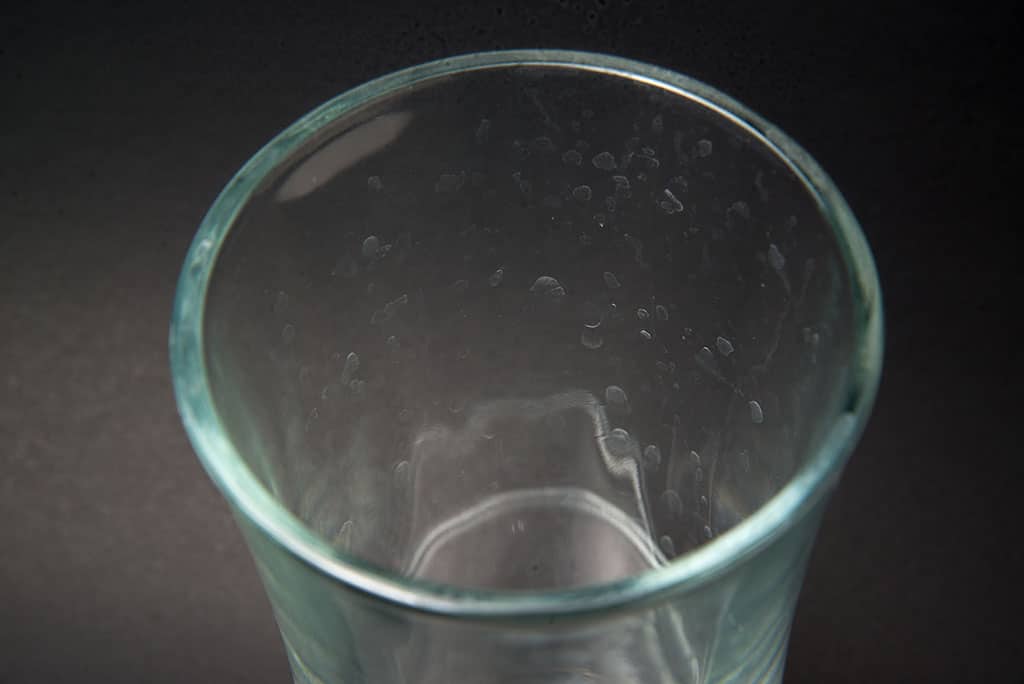
If you’ve lived in East Texas for any length of time, you’ve probably noticed white crusty buildup around your faucets, foggy spots on your glasses straight out of the dishwasher, or skin that feels dry no matter how much lotion you use.
This isn’t bad luck — it’s hard water, and it’s one of the most common (and quietly damaging) issues homeowners in the Tyler area deal with.
At The Mink Plumbing, our Tyler plumbers see the effects of mineral-rich water every week. And while hard water is safe to drink, what it does to your plumbing, appliances, and fixtures over time is a different story.
The Inconvenient Truth About Hard Water
Hard water simply means water that contains elevated levels of dissolved calcium and magnesium. As groundwater travels through limestone and rock formations — which are plentiful in East Texas geology — it picks up those minerals along the way.
Texas ranks 6th in the nation for statewide water hardness, with an average above 200 parts per million. That’s firmly in “hard to very hard” territory on the standard scale. And while your water is treated and safe at the tap, the minerals stay in it.
The Clues Your Home Is Leaving You
That White Crust on Your Fixtures Isn’t Going Away on Its Own
That chalky white residue on your faucets, showerheads, and around drains is calcium carbonate left behind as water evaporates. It’s not just cosmetic. Over time, it clogs showerhead nozzles, restricts flow through faucet aerators, and makes fixtures harder to clean and faster to wear out.
Why Your Glasses Never Look Clean
If your glasses come out of the dishwasher looking cloudy or spotted, your dishwasher isn’t broken — it’s just fighting hard water. The minerals in the water don’t rinse away cleanly, leaving residue on anything they touch.
The Reason Your Skin Feels Like That After a Shower
Soap and shampoo don’t lather as well in hard water, and the minerals themselves can strip natural oils from your skin and hair. If you feel like you never quite rinse clean in the shower, this is why.
Your Water Pressure Isn’t in Your Head
Inside your pipes, those same minerals are slowly accumulating on the interior walls, a process called scaling. It starts almost immediately, though you won’t notice pressure changes right away. After several years without treatment, scaling can meaningfully narrow your pipes, reducing flow and putting extra strain on your whole plumbing system.
The Part Most Homeowners Don’t Think About
The day-to-day annoyances of hard water are frustrating, but the long-term damage to major home systems is where it really costs you.
Your Water Heater Is Working Way Harder Than It Should
Heat speeds up mineral precipitation, which means your water heater is ground zero for scale buildup. Sediment settles at the bottom of the tank, creating a layer that acts like insulation, forcing the unit to work harder and run longer just to heat the same amount of water. Research from the U.S. Department of Energy shows that significant scale deposits can cause a water heater to use up to 29% more energy.
Beyond efficiency, that extra strain shortens the unit’s life. A water heater that should last 10 to 15 years in soft water conditions may only make it 6 to 8 years in an untreated hard water home. That popping or rumbling noise coming from your tank? That’s often sediment that’s already hardened at the bottom.
Regular water heater maintenance including annual flushing can slow this down. But if your unit is already struggling, it may be time to look at water heater repair or consider a tankless water heater, which has no tank for sediment to accumulate in.
What’s Happening Inside Your Pipes Right Now
Scale doesn’t just affect appliances — it builds up throughout your plumbing. In older homes with galvanized or copper pipes, hard water minerals can accelerate corrosion, leading to pinhole leaks and pipe failure sooner than you’d expect. If you’re dealing with leaking pipes and you haven’t treated your water, mineral damage could be a contributing factor.
Scale in drains also traps grease, soap residue, and debris more easily, leading to slower drains over time. Professional drain cleaning can clear things out, but treating the water source is the longer-term fix.
The Appliances You Keep Replacing
Dishwashers, washing machines, refrigerator ice makers — they all suffer when hard water runs through them consistently. Scale builds up on internal hoses, valves, and spray arms, reducing efficiency and leading to breakdowns earlier than they should happen. You end up spending more on repairs and replacements than you would if the underlying water quality issue were addressed.
What Actually Fixes It
The good news is there are solid, proven options for dealing with hard water in East Texas homes. The Mink Plumbing’s water treatment services cover the full range.
- Water Softeners are the most common solution for mineral-heavy water. They work through an ion exchange process, swapping calcium and magnesium ions for sodium, so the water flowing through your home’s pipes and appliances is mineral-free. Water softening protects everything downstream: your pipes, your water heater, your appliances, and your skin.
- Water Filtration and Purification address a broader range of water quality concerns beyond just hardness. If you want cleaner water throughout the home, a whole-house water filtration system is worth considering.
- Reverse Osmosis is one of the most thorough options for drinking water specifically. An RO system filters out contaminants down to a very fine level, making it a popular choice for homeowners who want both softened whole-house water and the cleanest possible drinking water at the tap.
Not sure which option fits your situation? That’s a reasonable place to be. The right solution depends on your water hardness levels, the age of your home, and what problems you’re actually trying to solve.
A water test is the best starting point.
Here’s What to Do Next
Hard water in East Texas isn’t unusual — it’s the norm. But “common” doesn’t mean you have to just live with it. The buildup on your fixtures is visible. The damage to your water heater, pipes, and appliances is quieter, but it adds up over time in real dollars.
If you’re ready to find out what’s actually in your water and what the right fix looks like for your home, contact The Mink Plumbing to schedule an appointment. We’ll help you figure out where you stand and what makes sense — no upsell, just straight answers.
Serving the Tyler, TX Area
 All Service Areas