
5 Costly Winter Plumbing Mistakes Tyler Homeowners Make (And How to Avoid Them)
The Most Reliable Local Plumbers in Tyler, TX
March Special
$75 Off Water Heater Services!
All water heater services, including: We will inspect, repair, or replace your system.
Stay warm, save money, and keep the hot water flowing with $75 off this month only!
March Special
$75 Off Water Heater Services!
All water heater services, including: We will inspect, repair, or replace your system.
Stay warm, save money, and keep the hot water flowing with $75 off this month only!
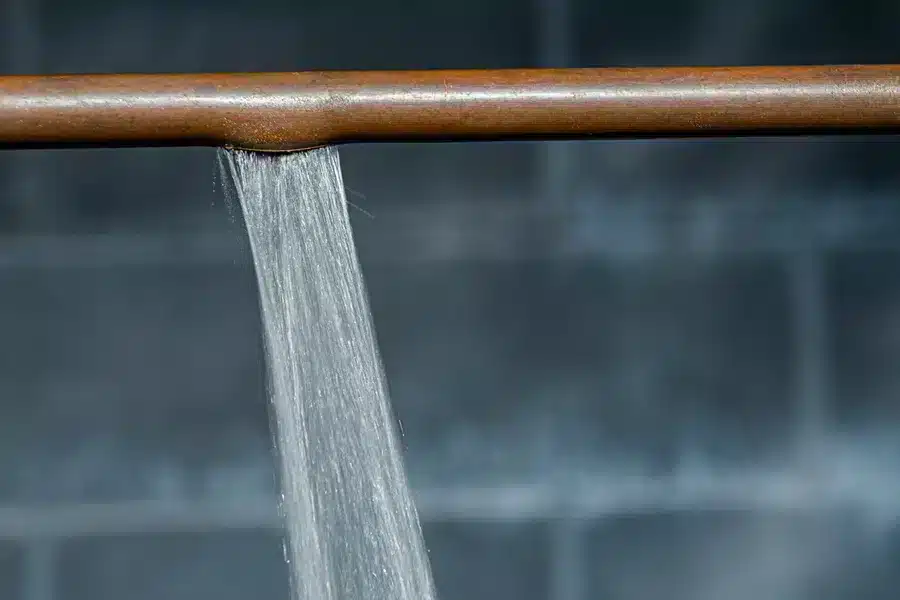
Winter in Tyler might not look like what folks up north deal with, but don’t let those mild stretches fool you. When temperatures suddenly drop into the 20s—which happens more often than people think—your plumbing system doesn’t care that you’re in East Texas. It reacts the same way pipes do anywhere else: they freeze, they crack, and they cause expensive damage.
At The Mink Plumbing, our Tyler plumbers see the same preventable mistakes every winter. Homeowners assume “it won’t get that cold,” or they put off minor issues that turn into major plumbing emergencies when the temperature drops.
The good news? Most of these winter plumbing problems are completely avoidable if you know what to watch for.
Let’s walk through the five most costly winter plumbing mistakes we see in Tyler—and exactly how you can avoid them.
Mistake #1: Assuming “It Won’t Get Cold Enough Here”
This is the big one. Because Tyler doesn’t have harsh winters year-round, a lot of homeowners get complacent. They figure frozen pipes are a problem for Minnesota, not East Texas.
But here’s the reality: all it takes is one night in the low 20s or teens for exposed pipes to freeze. And when pipes freeze, they can burst—sending gallons of water into your walls, ceilings, or crawl space before you even realize what happened.
How to avoid it: Take winter prep seriously, even in Tyler. Insulate exposed pipes in unheated areas like garages, attics, and crawl spaces. Disconnect and drain outdoor hoses. If a hard freeze is coming, let a few faucets drip overnight to keep water moving through the pipes. It’s a small inconvenience that prevents a big disaster.
Mistake #2: Forgetting About Outdoor Faucets and Sprinkler Lines
Outdoor plumbing is out of sight, out of mind for most people—until it’s too late. Your outdoor faucets and irrigation systems are particularly vulnerable because they’re exposed to the elements and often don’t have the same insulation as indoor pipes.
When water gets trapped in an outdoor spigot or sprinkler line and freezes, it expands and cracks the pipe. You might not even notice until spring, when you turn the water back on and discover you’ve got a leak flooding your yard or foundation.
How to avoid it: Before the first freeze, disconnect all garden hoses and drain them completely. Shut off the water supply to outdoor faucets from inside your home if you have shutoff valves. If you have an irrigation system, hire a professional to blow out the lines and winterize the system properly. Spending a little now beats replacing busted sprinkler heads and dealing with leaking pipes later.
Mistake #3: Ignoring Slow Drains During Winter
A slow drain might seem like a minor annoyance, but during winter, it can turn into a serious problem. When water drains slowly, it sits in your pipes longer. If temperatures drop and that standing water freezes, you’ve got a blockage that can lead to backups, burst pipes, or even sewer line damage.
Plus, slow drains are often a sign of a bigger issue brewing in your system—like buildup, tree root intrusion, or partial clogs that are only going to get worse.
How to avoid it: Don’t ignore slow drains, especially heading into winter. If your kitchen sink, bathroom drain, or shower is draining slower than usual, get it checked out. Professional drain cleaning in Tyler can clear out buildup and keep water flowing smoothly, so you’re not dealing with frozen pipes or backups when the temperature drops. And if the issue is deeper in your sewer line, it’s worth getting a camera inspection to catch problems before they escalate.
Mistake #4: Turning Off the Heat Completely When Traveling
Heading out of town for the holidays? Great—but please don’t turn your heat off completely to save a few bucks on your energy bill. This is one of the most common mistakes we see, and it’s a costly one.
When your home gets too cold inside, pipes in exterior walls, attics, or unheated spaces can freeze and burst. Even if you’ve shut off your water (which you should), a frozen pipe can still crack and cause damage once it thaws.
How to avoid it: Set your thermostat to at least 55°F before you leave. Yes, your heating bill will be slightly higher, but it’s a tiny cost compared to dealing with burst pipes, water damage, and emergency plumbing repairs when you get home. You can also open cabinet doors under sinks to let warm air circulate around pipes, and consider asking a neighbor to check on your house during extreme cold snaps.
Mistake #5: Waiting Too Long to Call a Plumber
This one’s simple but surprisingly common: people wait. They notice a drip, hear a weird noise, see a puddle, or smell something off—and they figure it can wait until after the holidays, after the cold spell passes, or after they have time to deal with it.
But plumbing problems don’t wait. They get worse. A small leak becomes a flood. A slow drain becomes a backup. A strange noise becomes a burst pipe at 2 a.m. on a Sunday.
Winter amplifies these issues because freezing temperatures add stress to an already compromised system. What might have been a quick, affordable fix in October can turn into a full-blown disaster by January.
How to avoid it: Trust your instincts. If something seems off with your plumbing, don’t wait. Call a professional to take a look. Whether it’s a dripping faucet, a toilet that won’t stop running, or a water heater making strange sounds, getting it checked out early saves you money and stress. And if you’re not sure whether something needs attention, just ask—most plumbers would rather answer a quick question than show up for an emergency at midnight.
Bonus Tip: Don’t Forget Your Water Heater
Your water heater works harder in winter because it has to heat colder incoming water. If your unit is old, hasn’t been maintained, or is already showing signs of wear, winter can push it over the edge.
Flushing sediment buildup, checking the pressure relief valve, and inspecting for leaks are all simple maintenance tasks that extend the life of your water heater and prevent breakdowns when you need hot water most.
Think One of These Mistakes Already Happened?
If you’re reading this and realizing you’ve already made one (or more) of these mistakes, don’t panic. The important thing is to act quickly.
Call a plumber right away if you notice:
- No water coming out of your faucets (possible frozen pipes)
- Water stains, dampness, or dripping where there shouldn’t be any
- Gurgling sounds from drains or toilets
- A sudden spike in your water bill
- Your water heater making loud banging, popping, or hissing noises
- Sewage smells or backups in your drains
These are all signs that something’s wrong, and waiting will only make it worse—and more expensive.
Protect Your Tyler Home This Winter
Winter plumbing problems are frustrating, stressful, and costly, but they’re also preventable. By taking a few simple precautions and addressing small issues before they become big ones, you can get through the cold months without a plumbing disaster.
Serving the Tyler, TX Area
 All Service Areas